Understanding Jiefa Lignosulfonate’s Role in Textile Manufacturing
In the textile industry, the role of chemical additives in enhancing production efficiency and product quality cannot be overstated. One such key player is Jiefa Lignosulfonate, a versatile lignin-based dispersant that has become integral in various textile processes, particularly in dyeing applications. This article delves into the fundamental aspects of Jiefa Lignosulfonate, its benefits, key applications, and how it addresses industry challenges, offering invaluable insights for textile manufacturers striving for excellence.
What is Jiefa Lignosulfonate?
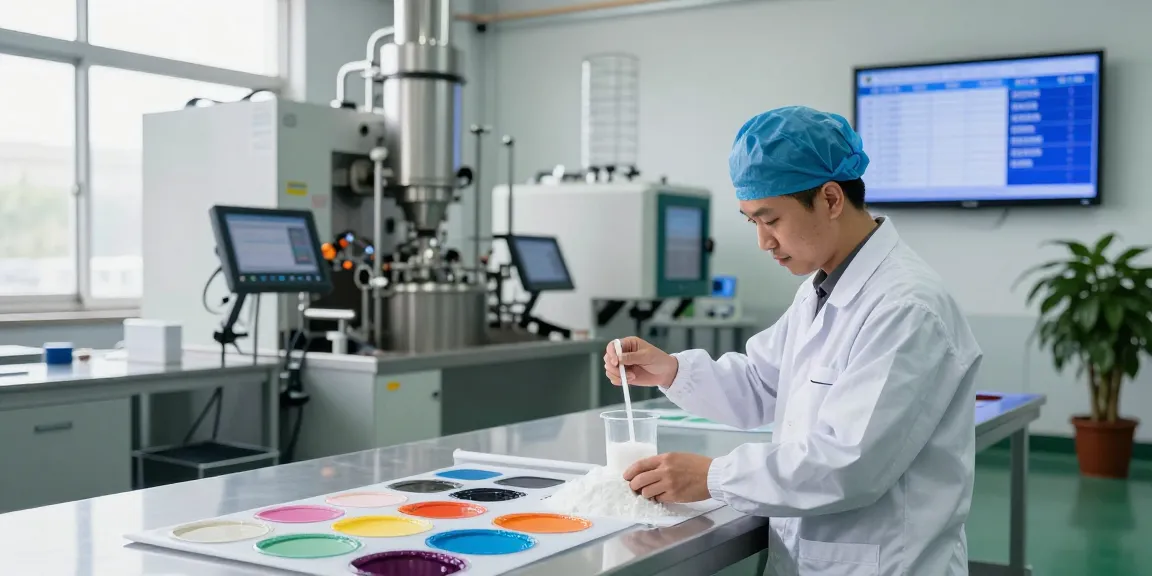
Jiefa Lignosulfonate is a natural polymer derived from lignin, a complex organic polymer found in the cell walls of plants, especially in wood. It is produced through the sulfite pulping process, resulting in a water-soluble product that possesses unique properties beneficial for various industrial applications. In textiles, Jiefa Lignosulfonate serves predominantly as a dye dispersant, enhancing the solubility and distribution of dye particles in aqueous solutions, which is crucial for achieving vibrant and consistent colors on fabrics.
Benefits of Using Jiefa Lignosulfonate in Dyeing Processes
The inclusion of Jiefa Lignosulfonate in dyeing processes presents multiple advantages:
- Improved Dispersion: It enhances the distribution of dye molecules, leading to uniform color application and reducing instances of streaking or patchiness.
- Enhanced Stability: Jiefa Lignosulfonate stabilizes dye solutions, maintaining consistent dye concentrations throughout the dyeing process, which is vital for quality control.
- Cost-Effectiveness: By improving dye utilization and reducing waste, Jiefa Lignosulfonate contributes to overall cost savings in production.
- Eco-Friendly Solution: As a natural product, it aligns with the increasing demand for sustainable manufacturing practices in the textile industry.
Key Applications in the Textile Industry
Jiefa Lignosulfonate finds application in several critical processes within the textile sector:
- Dyeing: It is frequently used in both continuous and batch dyeing processes, facilitating the application of various dye types, including reactive, direct, and vat dyes.
- Printing: In textile printing, Jiefa Lignosulfonate aids in achieving vibrant colors and finer patterns by ensuring optimal dispersion of colorants.
- Finishing: It plays a role in textile finishing processes, where it helps improve the fabric’s surface properties and resistance to various environmental factors.
Challenges Faced in Textile Dyeing and How Jiefa Lignosulfonate Addresses Them
Despite advancements, the textile dyeing sector faces significant challenges that can affect product quality and operational efficiency. Jiefa Lignosulfonate offers effective solutions to these pressing issues.
Inconsistent Product Quality: The Jiefa Solution
Inconsistent dye quality is a common challenge faced by manufacturers, resulting from variations in dye purity, application methods, and environmental factors. Jiefa Lignosulfonate mitigates this issue by ensuring a stable and homogeneous dye solution. This stability allows for more predictable and replicable dyeing outcomes, which is critical for maintaining brand consistency and customer satisfaction.
Managing Production Costs with Lignosulfonate
Rising production costs due to fluctuating raw material prices and labor can strain profitability in the textile industry. Jiefa Lignosulfonate offers a cost-effective alternative to traditional dye dispersants, contributing to reduced overall expenses. By maximizing dye uptake and minimizing waste through its efficient dispersion characteristics, manufacturers can realize savings that enhance their bottom line.
Application-Specific Requirements: Customizing Your Approach
Different textiles require tailored dyeing solutions to meet specific performance and aesthetic criteria. Jiefa Lignosulfonate can be customized based on the dye type, fabric composition, and desired color properties. This flexibility allows manufacturers to meet stringent application-specific requirements effectively, fostering innovation and adaptability in their product offerings.
Best Practices for Incorporating Jiefa Lignosulfonate into Your Production
Successfully integrating Jiefa Lignosulfonate into textile production necessitates a systematic approach to ensure optimal results.
Step-by-Step Guide to Implementing Jiefa In Your Dyeing Process
To effectively incorporate Jiefa Lignosulfonate into dyeing processes, follow these steps:
- Assessment: Evaluate your current dyeing processes and identify areas for improvement.
- Testing: Conduct trials using Jiefa Lignosulfonate with various dye types and fabrics to gauge performance.
- Optimization: Adjust the concentration and application method based on test results to achieve optimal dye dispersion and color fastness.
- Training: Provide training for staff on the benefits and proper use of Jiefa Lignosulfonate to ensure its effective application.
- Monitoring: Continuously monitor dyeing outcomes to identify areas for further refinement and ensure quality consistency.
Performance Metrics: Measuring Success with Jiefa Lignosulfonate
To evaluate the effectiveness of Jiefa Lignosulfonate in dyeing processes, consider the following performance metrics:
- Dye Uptake Rate: Measure the percentage of dye absorbed by the fabric to determine efficiency.
- Color Uniformity: Assess the evenness of color across samples to gauge dispersion quality.
- Production Costs: Track changes in material and labor costs pre- and post-implementation of Jiefa Lignosulfonate.
Case Studies: Successful Implementation Across Industries
Various textile manufacturers have successfully integrated Jiefa Lignosulfonate into their dyeing processes, leading to enhanced quality and reduced costs. For instance, a leading denim manufacturer reported a 25% reduction in dye wastage after adopting Jiefa Lignosulfonate, citing improved dispersion and stability as key factors. Another case involved a textile print company that achieved more vibrant prints with less colorant, showcasing the versatility and effectiveness of Jiefa Lignosulfonate in diverse applications.
Future Trends and Innovations in Textile Dyeing with Jiefa Lignosulfonate
The textile industry is on the brink of transformation as it embraces sustainability and resource efficiency. Jiefa Lignosulfonate is poised to play a pivotal role in this evolution.
Emerging Technologies and Their Impact
Advancements in technology, such as digital dyeing and automated production systems, promise to reshape the landscape of textile manufacturing. Jiefa Lignosulfonate’s adaptability makes it an ideal candidate for these new technologies. Its formulation can be adjusted to meet the demands of digital printing processes, ensuring color accuracy and reducing environmental impact.
Future-Proofing Your Textile Production with Sustainable Solutions
With a global push towards eco-friendly solutions, textile manufacturers are increasingly seeking sustainable materials. Jiefa Lignosulfonate, being derived from renewable resources, aligns with these goals. By integrating it into production, companies can not only meet demand for greener options but also enhance their market competitiveness.
Jiefa’s Vision 2030: Driving Sustainable Practices in Textiles
Looking ahead, Jiefa Technology aims to innovate continually in the lignin sector, with a commitment to sustainability and high-performance solutions. Their Vision 2030 outlines strategies that prioritize environmentally friendly manufacturing processes, thereby setting the standard for responsible production in the textile industry.
FAQs about Jiefa Lignosulfonate and Textile Applications
How does Jiefa Lignosulfonate improve dye dispersion?
Jiefa Lignosulfonate enhances dye dispersion by reducing surface tension, allowing dye particles to spread evenly in solution and preventing clumping, which leads to a uniform color outcome.
What are the environmental benefits of using Jiefa Lignosulfonate?
As a biodegradable product derived from natural sources, Jiefa Lignosulfonate minimizes environmental impact, reducing reliance on synthetic chemicals, and promoting sustainable practices in textile manufacturing.
Can Jiefa Lignosulfonate reduce production costs effectively?
Yes, by improving dye utilization and reducing waste, Jiefa Lignosulfonate can lead to significant cost savings in materials and enhancing productivity in dyeing processes.
What other industries can benefit from Jiefa Lignosulfonate?
Beyond textiles, Jiefa Lignosulfonate is also applicable in industries like agriculture (as a dispersant for pesticides) and construction (for enhancing concrete formulations), demonstrating its versatility across sectors.
Where can I purchase Jiefa Lignosulfonate for my business?
Jiefa Lignosulfonate can be sourced directly from manufacturers such as Zhejiang Jiefa Technology Co., Ltd., which offers a comprehensive range of lignin-based products tailored to meet various industrial needs.